Enterprise Integration
Connected Tool Control Across the Business
When tool data is trusted, the business can act on it. Level 5 extends automated tool control beyond storage environments and into the wider business ecosystem, transforming tool control from an operational function into a strategic business capability.
From tool control to business intelligence.
Why Enterprise Integration Matters
Without integration, even the most advanced tool tracking systems remain operational silos. Decisions about scheduling, maintenance, procurement, and compliance are still made using partial or delayed information. Level 5 removes these barriers.
Without proper control:
Key Advantages
What Level 5 Delivers
Enterprise System Connectivity
Tool data integrates with leading platforms including AMOS and SAP, as well as ERP, CRM, maintenance management, and work pack systems — ensuring consistent information across the business.
Job & Work Pack Accountability
Tools are digitally linked to jobs, tasks, and work orders, providing full traceability of which tools were used, by whom, and where.
Compliance & Audit Confidence
Automated records support regulatory compliance, customer audits, and internal governance with defensible, time-stamped evidence.
Operational & Financial Insight
Tool utilisation, loss trends, downtime impact, and lifecycle costs become visible for data-driven decisions.
Typical Enterprise Integrations
Integrations can be phased, allowing organisations to connect only what they need—when they need it
Who Level 5 Is Ideal For
Key Benefits at a Glance
How Level 5 Fits Into the Bigger Picture
Levels 1–4 establish: permanent identification, visual control, controlled access, and automated, trusted tracking. Level 5 turns that trusted data into enterprise intelligence, ensuring tool control actively supports business outcomes rather than simply preventing loss. This is the complete framework—from a single laser-etched tool to organisation-wide visibility.
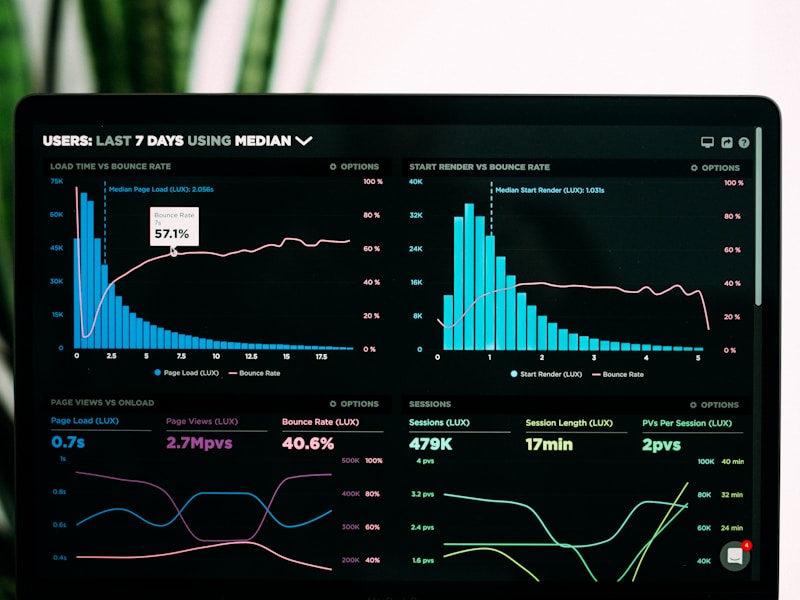
Enterprise Dashboards
Complete visibility across all operations

Business Intelligence
Operational and financial insight for decision-making